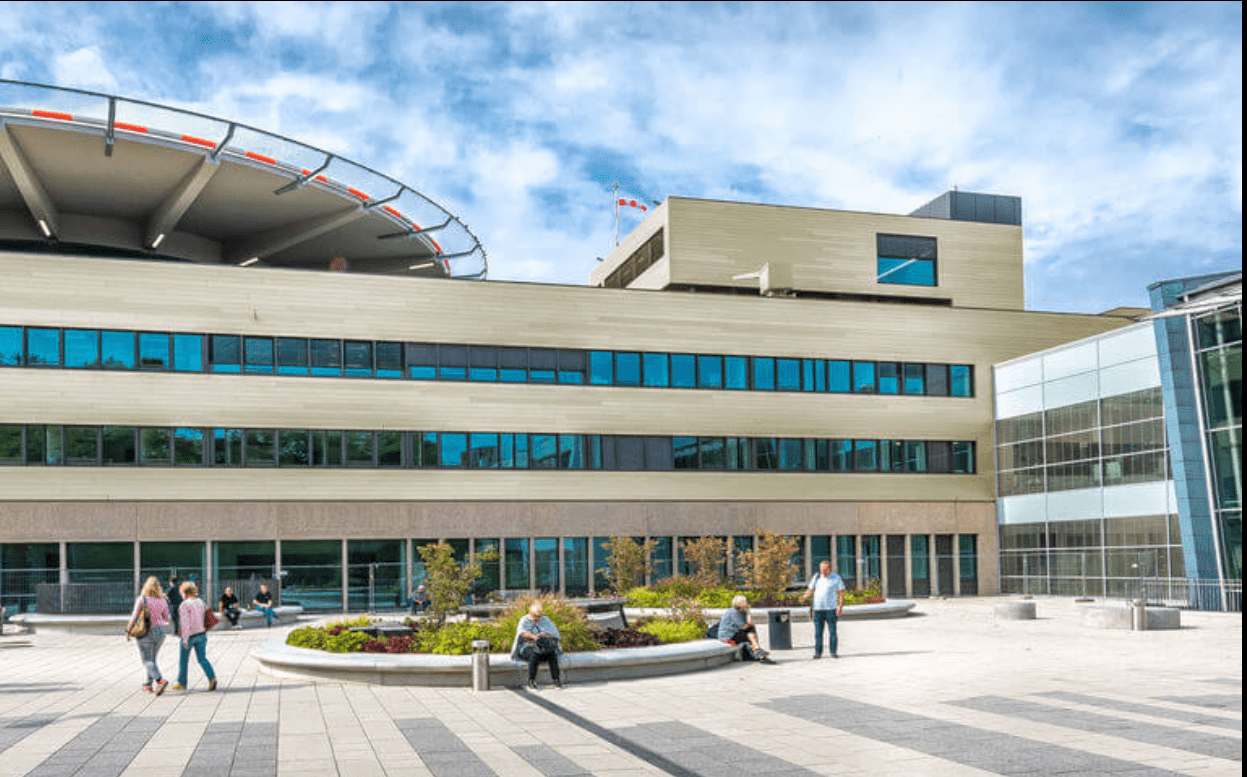
Below you will find a selection of medical locations in Germany
Charité – Universitätsmedizin Berlin
Charité – University Hospital Berlin
Establishment and Status
Charité was founded in 1710 as a plague house on the then outskirts of Berlin to manage a looming epidemic. After the plague had been overcome, it was converted into a military hospital and, over the centuries, developed into one of the most renowned university hospitals in the world.
Locations and Size
4 Locations:
Campus Benjamin Franklin (Lichterfelde)
Campus Berlin-Buch
Campus Charité Mitte
Campus Virchow-Klinikum (Wedding)
Size
Beds:
3,293
Clinics & Institutes:
Over 100, organized into 17 Charité Centers
Structure and Staff
Total Employees:
19,977
Physicians & Researchers:
5,671
Nursing Staff:
6,188
Professors:
321
Patient Numbers
Inpatient/Partial Inpatient:
123,793 treatments per year
Outpatient:
682,731 treatments per year
Total:
Over 800,000 medical cases per year
Clinical Focus Areas
Oncology
Neurosciences
Immunology
Rare Diseases
Regenerative Therapies
Research, Teaching, and Patient Care
31 Collaborative Research Centers
19 EU Projects
Special Features
Significance
University of Excellence as part of the Berlin University Alliance
Over 50% of German Nobel Prize winners in medicine have come from Charité.
Special Features
Host of the World Health Summit, one of the world’s leading health conferences
Global reputation in research, teaching, and medical care.
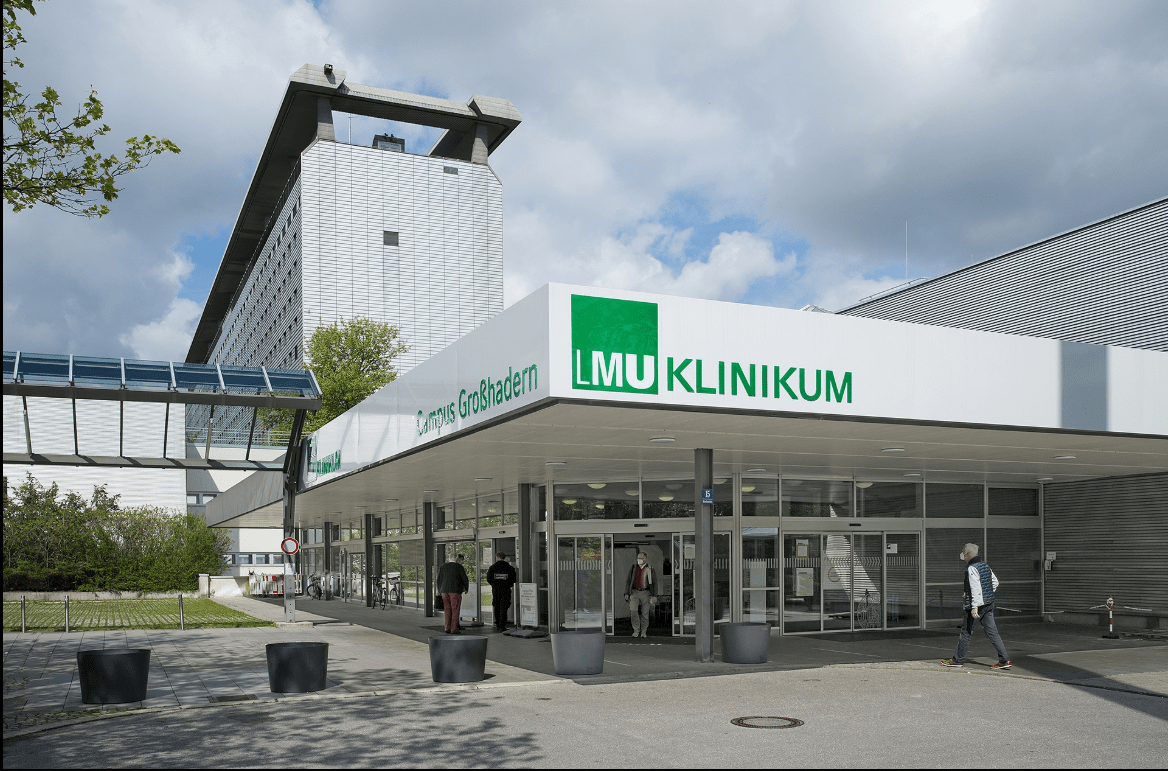
LMU Klinikum München
LMU Clinic Munich
Establishment and Status
An independent part of Ludwig Maximilian University (LMU) Munich since 1999
Second-largest maximum care hospital in Germany after Charité in Berlin
Locations and Size
Two main locations:
City Center Großhadern
Capacity:
1,964 beds across 60 wards
Structure and Stuff
Facilities:
48 clinics, departments, and institutes
Staff:
Approximately 10,400 employees in total:
1,800 physicians
3,200 nurses
5,300 medical-technical professionals
Patient Numbers
Around 530,000 patients annually
Clinical Focus Areas
Comprehensive range of specialized services, including:
General and visceral surgery (incl. transplant surgery)
Cardiology and cardiac surgery
Neurology and neurosurgery
Hematology and oncology
Gynecology and obstetrics
Pediatrics and adolescent medicine, as well as child and adolescent psychiatry
Research, Teaching and Patient Care
A leader in interdisciplinary collaboration between healthcare, research, and teaching
Recognized as one of the centers for medical innovation in Europe
Special Features
One of the largest and most modern university hospitals in Europe
Outstanding in patient care and a leader in research and teaching
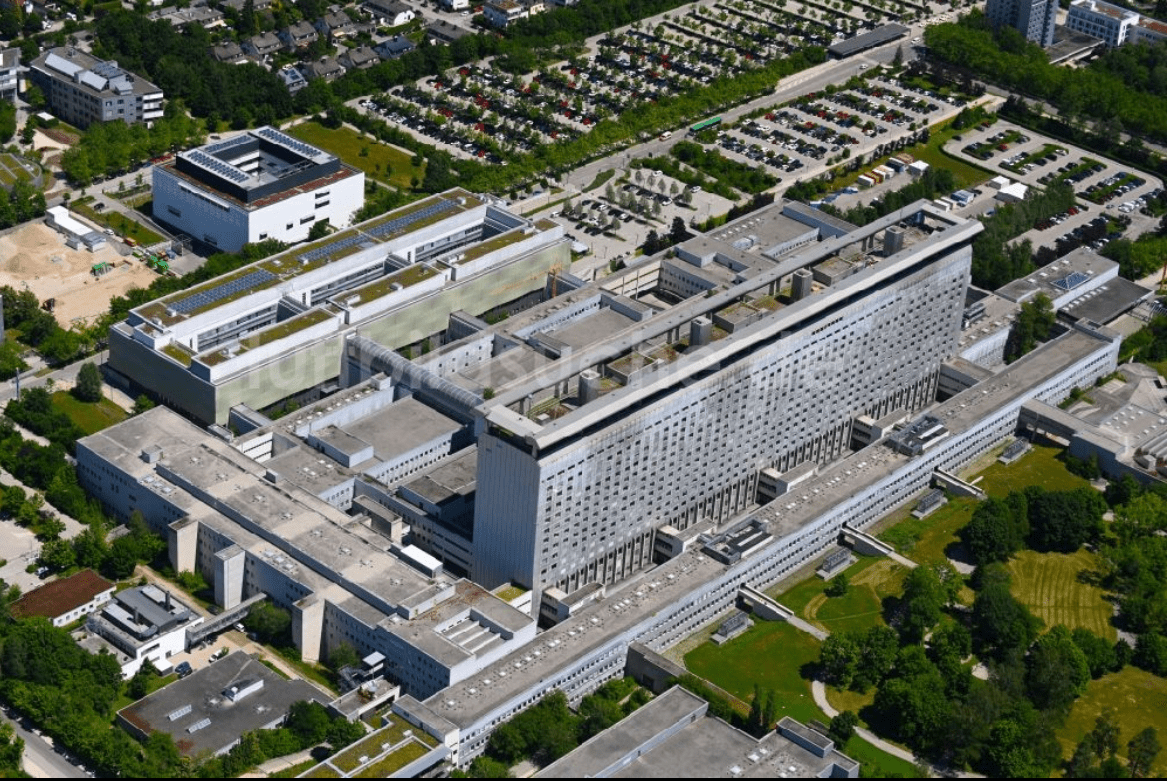
München Klinikum Großhadern
Munich Clinic Großhadern
Establishment and Status
Founding:
1972
Status:
One of the most important sites of the LMU University Hospital and one of the largest university hospitals in Europe
Locations and Size
Capacities:
1,210 beds – current figures can be added
Facilities:
New surgical center with 32 state-of-the-art operating rooms
Numerous specialized centers and departments
Structure and Staff
Staff:
Over 11,000 employees (exactly 11,309 in 2022), including:
Approximately 1,800 medical professionals
Around 3,300 nursing staff
Patient Numbers
Inpatient treatments:
Approximately 89,000 patients annually
Outpatient treatments:
Around 454,000 patients annually, including 121,000 through the emergency department
Clinical Focus Areas
Wide range of medical services, including:
General surgery
Oncology
Neurology
Cardiology
Transplant medicine
Research, Teaching and Patient Care
Research Focus Areas:
Rare diseases
Cardiology
Neurosciences
Research Activities:
Interdisciplinary projects and development of new therapies and diagnostic methods
Participation in numerous research initiatives
Teaching:
Close affiliation with LMU, with strong interdisciplinary exchange between the hospital and the university
Healthcare Services:
Advanced patient care and safety management systems to ensure the highest quality and patient safety
Special Features
Leading center for medical innovation through the integration of research, teaching, and patient care
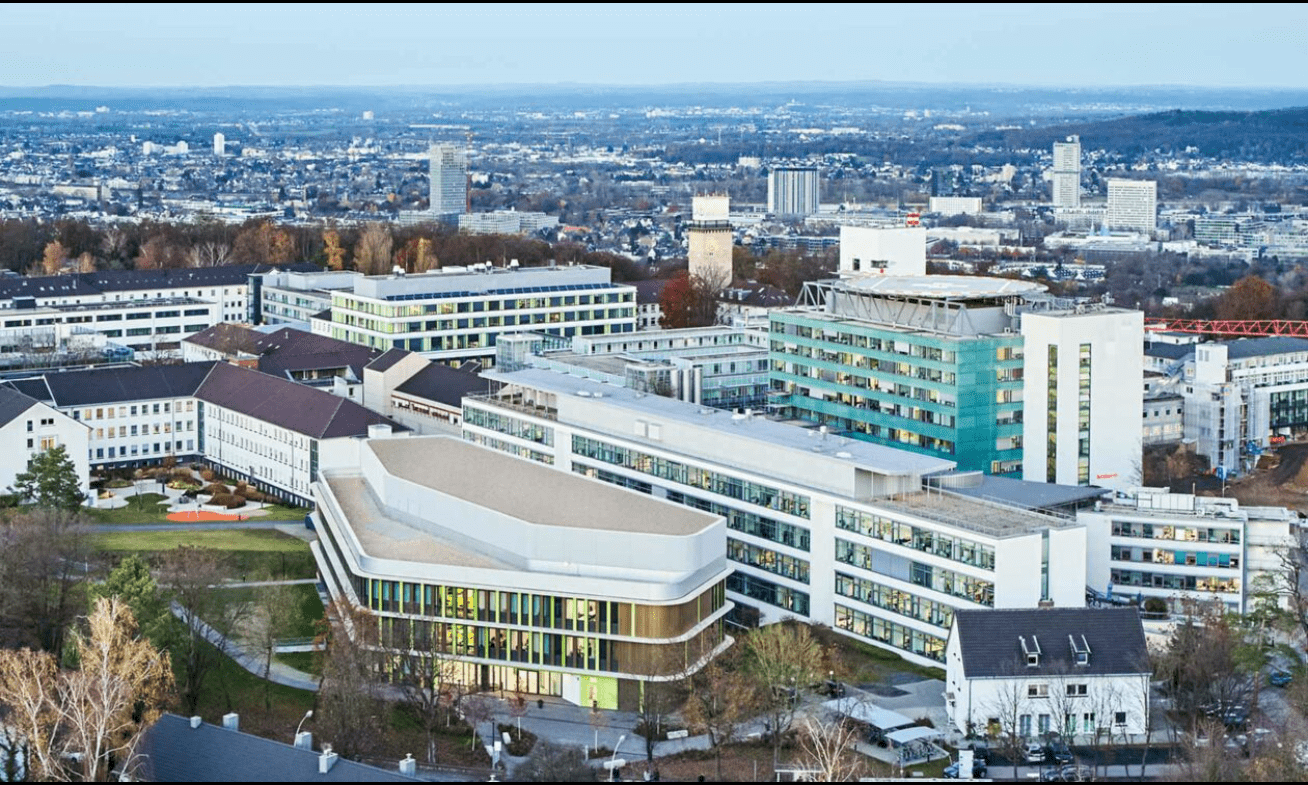
Universitätsklinikum Bonn (UKB)
University Clinic Bonn (UKB)Universitätsklinikum Bonn (UKB)
Establishment and Status
Founded:
1818
Significance:
One of the leading medical institutions in Germany
Location and Size
Location:
Venusberg in Bonn
Area:
40 hectares (400,000 square meters)
Facilities:
Modern clinics, research laboratories, and comprehensive infrastructure
Structure and Staff
Staff:
Over 10,000 employees, including:
2,000 physicians and researchers
Patient Numbers
Around 230,000 inpatient and outpatient treatments
Clinical Focus Areas
Specializations:
Neurology
Immunology
Oncology
Research, Teaching and Patient Care
Combination of healthcare, research, and teaching
Research projects and studies are directly integrated into patient care
Leading center for cutting-edge research and excellent patient care
Special Features
Outstanding in combining medical care, education, and research
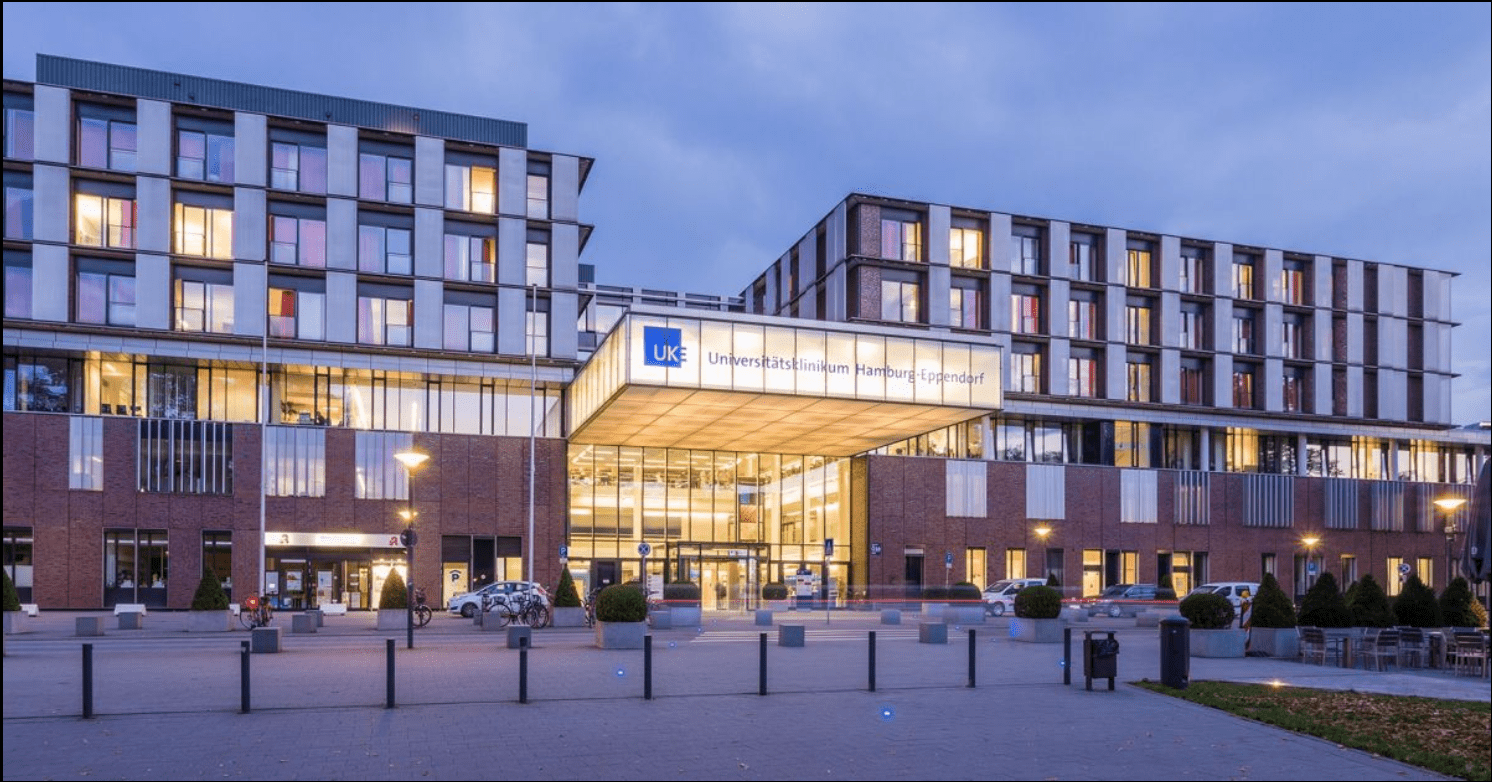
Universitätsklinikum Hamburg-Eppendorf (UKE)
University Clinic Hamburg-Eppendorf (UKE)Universitätsklinikum Hamburg-Eppendorf (UKE)
Establishment and Status
Status:
Major university hospital of Hamburg
Significance:
One of the largest hospitals in Hamburg
Locations and Size
Organization:
13 centers with over 80 clinics, outpatient departments, and institutes
Capacity:
More than 1,800 beds
Around 270 beds at the University Heart and Vascular Center UKE (UHZ)
Approximately 60 beds at the Martini Clinic
Structure and Staff
Staff:
Approximately 14,900 employees in total
2,400 physicians and researchers
3,100 nurses and therapists
Education:
1,000 training positions annually in health and technology fields
School of Life Science Hamburg: State-recognized vocational school for biological-technical assistance
Medical faculty with around 3,400 students in medicine and dentistry
Patient Numbers
Inpatient:
Approximately 89,000 patients annually
Outpatient:
Around 454,000 patients annually, including 121,000 through the emergency department
Clinical Focus Areas
Cardiology and Cardiac Surgery:
University Heart and Vascular Center UKE (UHZ) offering specialized care for cardiovascular diseases
Oncology:
Martini Clinic – world-leading center for the treatment of prostate cancer
Neurology and Neurosurgery:
Treatment of complex neurological disorders
Pediatrics:
Specialized departments for child and adolescent medicine
Transplant Medicine:
Comprehensive transplantation program
Rare Diseases:
Expertise in the diagnosis and treatment of rare conditions
Emergency Medicine:
Modern emergency department with over 121,000 patients annually
Research, Teaching and Patient Care
Integration of medical care, teaching, and research
Innovative educational programs
Special features
Comprehensive range of medical services
A leader in medical education and research
Universitätsklinikum Heidelberg
University Clinic Heidelberg
Establishment and Status
One of the leading medical centers in Germany and internationally
Combines cutting-edge medicine with biomedical research
Over 600 years of tradition in the medical faculty
Location and Size
Campus Neuenheimer Feld:
Main location with specialized clinics, including:
surgery,
radiology,
women’s clinic,
children’s hospital,
National Center for Tumor Diseases (NCT)
Campus Bergheim:
Psychiatric and psychosomatic clinics
Additional locations:
Orthopedics in Schlierbach
Thorax Clinic in Rohrbach
District Hospital Bergstraße
Structure and Staff
Organization:
More than 50 specialized clinics, departments, and institutes
Part of the Heidelberg University Medical Faculty
Staff:
Around 14,000 employees
Including over 1,000 physicians and researchers
Approximately 4,000 nurses
Education and Teaching:
Training in various health professions
Close integration with biomedical research and teaching
Patient Numbers
Around 84,000 inpatient and over 1.1 million outpatient treatments annually
Clinical Focus Areas
Cancer Medicine:
National Center for Tumor Diseases (NCT) offering innovative, interdisciplinary therapies
Heidelberg Heart Center:
Specialized in cardiovascular diseases
Home to Germany’s first “Chest Pain Unit” and “Advanced Heart Failure Unit”
Additional Specialties:
Transplant medicine
Neurosciences
Genetics
Research, Teaching and Patient Care
Close collaborations with the German Cancer Research Center (DKFZ), the Max Planck Institute, and EMBL
Research Focus Areas:
Oncology
Cardiovascular research
Infectious diseases
Neurosciences
Special Features
Combination of cutting-edge medicine, research, and teaching to ensure patient care at the highest level